Dress To Impress: The Rise of Indie Fashion on the Global Runway
Dress To Impress: The Rise of Indie Fashion on the Global Runway
In recent years, a seismic shift has taken place in the world of fashion. Amidst the proliferation of fast fashion and high street brands, a new wave of designers and labels has emerged to challenge the status quo. Dubbed "Indie fashion," this style of clothing has captured the hearts of fashion-conscious consumers worldwide, promising a more sustainable, unique, and empowering experience. From avant-garde designs to handmade crafts, Indie fashion has evolved into a global movement that's changing the way we think about fashion.
A Brief History of Indie Fashion
Indie fashion, short for "independent fashion," has its roots in the 1990s and early 2000s, when underground artists and designers began pushing the boundaries of traditional fashion. Early pioneers like Vivienne Westwood, Alexander McQueen, and Stella McCartney paved the way for the next generation of designers to experiment with non-traditional materials, silhouettes, and techniques. However, it wasn't until the mid-2010s that Indie fashion gained momentum as a distinct style, thanks in part to the rise of social media platforms like Instagram and TikTok.
These platforms allowed emerging designers to showcase their work to a global audience, bypassing traditional industry gatekeepers and establishing a direct connection with customers. The DIY ethos and emphasis on individuality that defined Indie fashion resonated with consumers seeking more creative, sustainable, and authentic experiences.
The Key Elements of Indie Fashion
So, what sets Indie fashion apart from mainstream fashion? According to designers and experts, the following elements are characteristic of this style:
1. Sustainable Materials
Indie fashion prioritizes eco-friendliness, using recycled, second-hand, or repurposed materials whenever possible. This commitment to sustainability not only reduces waste but also encourages creativity and resourcefulness among designers.
2. Avant-Garde Silhouettes
Indie fashion often pushes the boundaries of traditional garment construction and design. Designers like Demna Gvasalia, founder of Vetements, and Rick Owens experiment with unconventional shapes, colors, and textures to create truly unique pieces.
3. Handmade and Hand-Finished Details
The emphasis on handmade craftsmanship sets Indie fashion apart from mass-produced fast fashion. Many designers incorporate intricate details, such as hand-beading, embroidery, or hand-painting, to add a personal touch to their creations.
4. Community-Driven
According to Emma Chamberlain, founder of Chamberlain clothing:
"Indie fashion is about community, not just about clothing. We're building a movement that empowers people to express themselves authentically and sustainably."
The Rise of Indie Fashion Brands
As the popularity of Indie fashion grows, so does the number of brands catering to this market. Some notable labels include:
1. Chamberlain Clothing
founded by Emma Chamberlain in 2018, this Los Angeles-based label specializes in comfortable, eclectic clothing with a focus on sustainable materials.
2. Ganni
this Copenhagen-based brand has gained a loyal following for its bold, playful designs and commitment to quality, eco-friendly production methods.
3. The Kooples
another Copenhagen-based label, known for its edgy, avant-garde aesthetic and emphasis on artisanal craftsmanship.
4. Stella McCartney
a pioneering label that merged sustainable materials with high-end design, Stella McCartney has become synonymous with Indie fashion's ethics.
The Impact of Indie Fashion on the Industry
The rise of Indie fashion has significant implications for the fashion industry as a whole. As consumers increasingly demand more sustainable, unique, and authentic experiences, traditional fashion brands must adapt to remain relevant. Here are some of the key takeaways:
1. Shift towards Sustainability
Indie fashion's emphasis on eco-friendliness has pushed the industry towards a more sustainable business model. Mainstream brands are now incorporating sustainable materials, reducing waste, and adopting environmentally friendly production methods.
2. Changing Consumer Behavior
Indie fashion has given consumers a voice and a sense of agency in the fashion world. As they seek out more authentic, creative experiences, they're driving demand for niche, small-batch brands and bespoke services.
3. Democratization of Fashion
Thanks to social media and online platforms, Indie fashion has democratized the industry, allowing emerging designers to connect directly with customers and bypass traditional gatekeepers.
Conclusion and Implications
The rise of Indie fashion marks a significant turning point in the fashion industry's history. As consumers continue to seek out more sustainable, unique, and authentic experiences, traditional fashion brands will need to adapt and innovate if they want to stay relevant. The Indie fashion movement is not just about clothing – it's about community, creativity, and a commitment to a more sustainable future.
As we look to the future, one thing is clear: Indie fashion is here to stay, pushing the boundaries of style, sustainability, and innovation in the process.


Related Post

Legendary Actor Sam Elliott's Health Scare: Separating Fact From Fiction
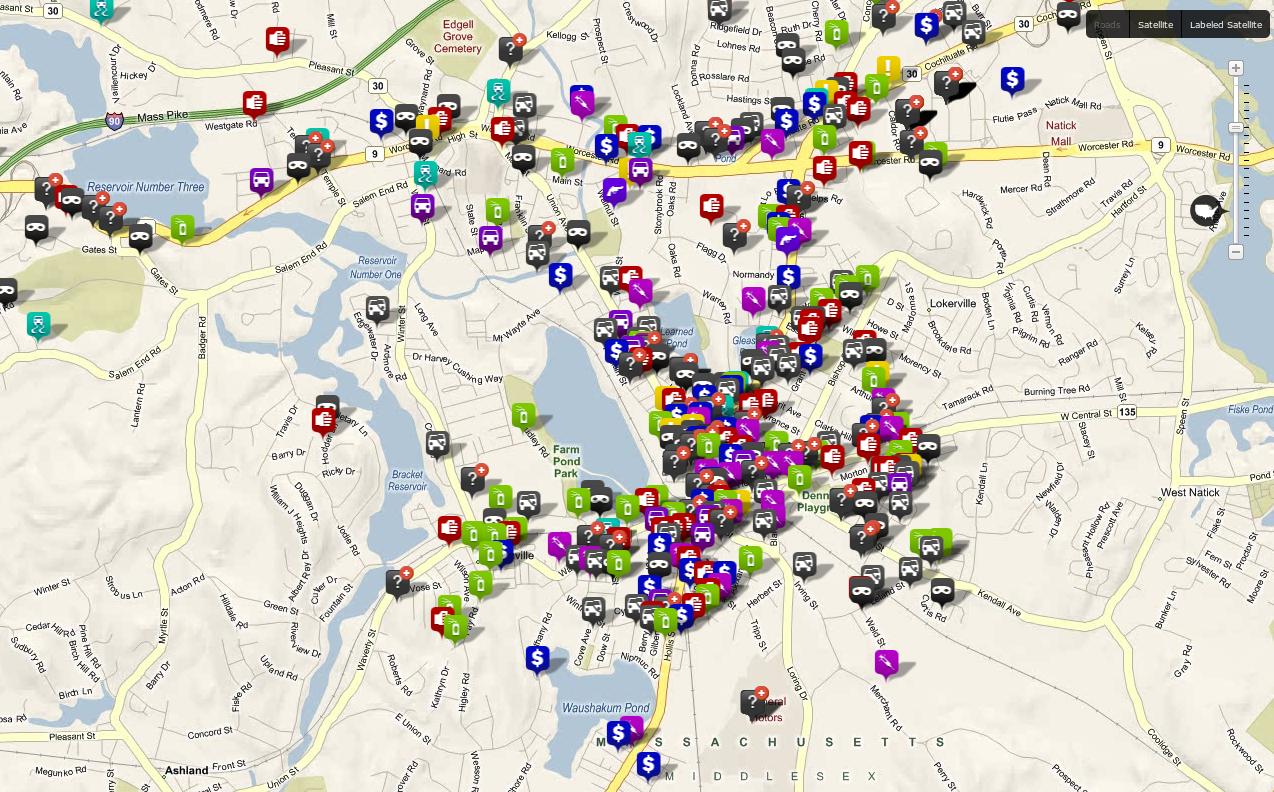
Framingham Police Daily Log Uncovers Hidden Patterns in Local Crime Rates

<span style="color: #008000">Morgan Pressel Divorce: A Look into the Troubled Relationship of the Professional Golfer</span>

UNRAVELING THE TRUTH: Chief Keef's Fate Revealed!


