THE REVOLUTIONARY ROLE OF AI IN TRANSFORMING INDUSTRIES AND SOCIETY
THE REVOLUTIONARY ROLE OF AI IN TRANSFORMING INDUSTRIES AND SOCIETY
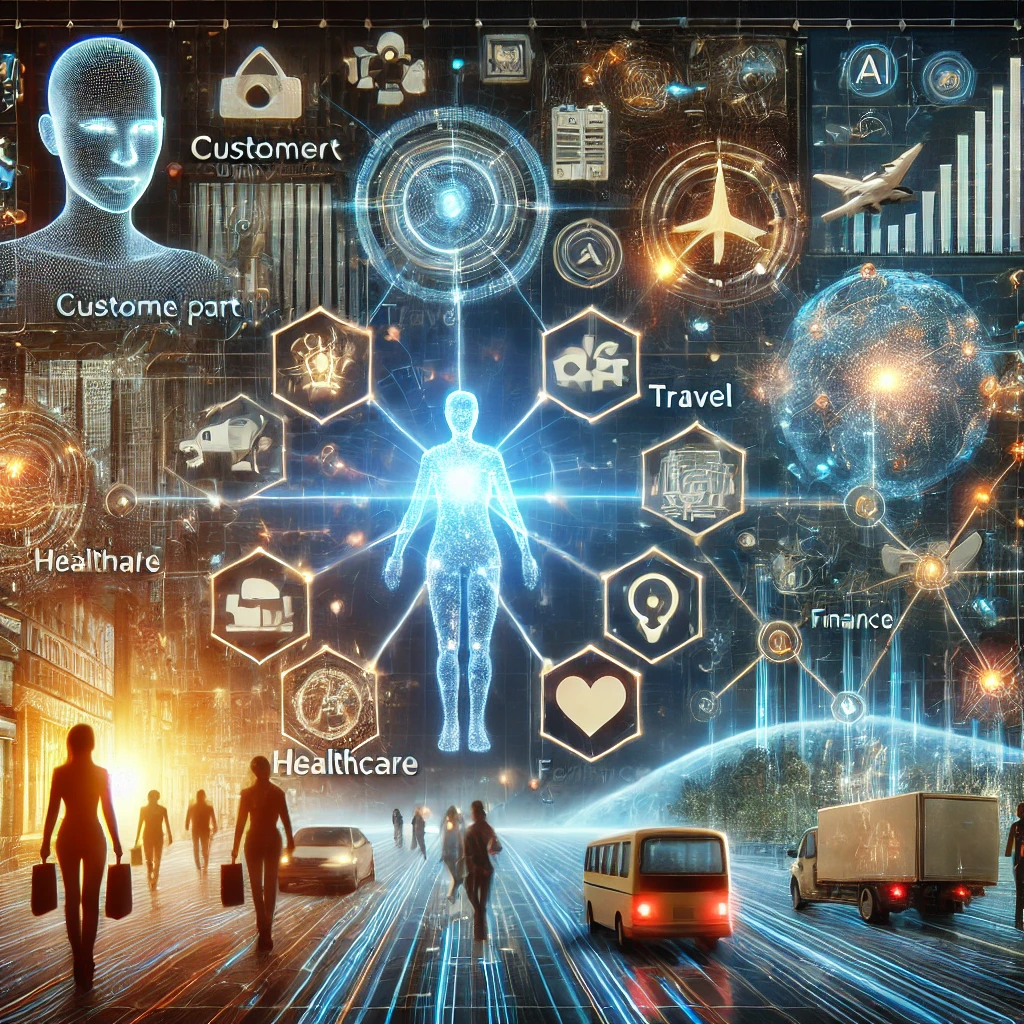
The integration of artificial intelligence (AI) in various sectors is transforming the way we live and work, with far-reaching impacts on industries and society as a whole. From enhancing productivity and efficiency to improving decision-making and customer experiences, AI is revolutionizing the way businesses operate and connect with their customers.
As the global economy continues to shift and adapt to technological advancements, one thing is clear: AI is no longer a futuristic concept, but a reality that is shaping the future of work and transforming industries in profound ways. From customer service chatbots to autonomous vehicles, AI is increasingly being used to drive innovation, streamline processes, and unlock new opportunities. But what does this mean for industries and society, and how are they likely to be impacted in the coming years?
Advancements in AI Technology
AI technology has made tremendous progress in recent years, driven by advancements in computing power, data storage, and algorithms. The development of machine learning and deep learning has enabled AI systems to analyze vast amounts of data, identify patterns, and make predictions with unprecedented accuracy.
However, the widespread adoption of AI technology also raises concerns about job displacement, data security, and the potential for bias in decision-making processes. As AI continues to evolve and become more sophisticated, it is essential to address these concerns and develop strategies to mitigate their impact.
Industrial Transformations
AI is transforming industries in several ways, including:
• **Predictive Maintenance**: AI-powered predictive maintenance allows companies to fore ns insights into potential equipment failures, enabling timely maintenance and reducing downtime.
• **Automation**: AI-powered automation is replacing repetitive tasks, freeing human workers to focus on higher-value tasks that require creativity and problem-solving skills.
• **Supply Chain Optimization**: AI is being used to analyze supply chain data, identify bottlenecks, and optimize logistics to reduce costs and improve efficiency.
According to a report by McKinsey, the widespread adoption of AI could lead to productivity gains of up to 40% in industries such as manufacturing, transportation, and healthcare.
Societal Impacts
AI is not only transforming industries but also has significant implications for society as a whole. Some potential impacts include:
• **Job Displacement**: AI may displace certain jobs, particularly those that involve repetitive tasks or can be easily automated. However, it also creates new job opportunities in fields such as AI development, deployment, and maintenance.
• **Social Bias**: AI systems learn from existing data, which can reflect social biases and prejudices. This can result in AI systems perpetuating inequality and exacerbating existing social issues.
• **Ethics and Governance**: The development and deployment of AI raise important questions about ethics, governance, and accountability.
As AI becomes increasingly ubiquitous, it is essential to develop and implement policies and regulations that address these concerns and ensure the benefits of AI are shared equitably across society.
Challenges and Opportunities
While AI presents numerous benefits and opportunities, it also poses significant challenges that need to be addressed. Some of the key challenges include:
• **Data Quality**: AI requires high-quality data to function effectively. However, many industries struggle with data quality and integrity, which can compromise the accuracy and reliability of AI outputs.
• **Cybersecurity**: AI systems can be vulnerable to cyber attacks, which can compromise sensitive data and disrupt business operations.
• **Bias and Error**: AI systems can perpetuate biases and errors, particularly if they are trained on biased or incomplete data.
Despite these challenges, AI also presents numerous opportunities, including:
• **Increased Productivity**: AI can automate repetitive tasks, freeing human workers to focus on higher-value tasks that require creativity and problem-solving skills.
• **Improved Decision-Making**: AI can analyze vast amounts of data, providing insights and recommendations that can inform business decisions.
• **New Business Models**: AI enables the development of new business models, such as subscription-based services and personalized products.
As AI continues to evolve and shape the future of industries and society, it is essential to prioritize ongoing investment in AI research and development, as well as strategies to address the challenges and opportunities presented by this technology.
Case Studies and Examples
AI is being used in a wide range of industries and applications, including:
• **Healthcare**: AI is being used to analyze medical images, diagnose diseases, and personalize treatment plans.
• **Finance**: AI is being used to automate trading, detect anomalies, and predict customer behavior.
• **Manufacturing**: AI is being used to optimize production processes, predict equipment failures, and improve supply chain efficiency.
Some notable examples of AI in action include:
• **Tesla's Autopilot System**: Tesla's Autopilot system uses AI and machine learning to enable semi-autonomous driving.
• **IBM Watson for Oncology**: IBM Watson for Oncology uses AI to analyze medical data and provide personalized treatment recommendations for cancer patients.
• **Amazon's Alexa**: Amazon's Alexa uses AI to power a range of intelligent assistants, including voice-controlled devices and home automation systems.
Future Directions
As AI continues to evolve and become more sophisticated, it is essential to prioritize ongoing investment in AI research and development, as well as strategies to address the challenges and opportunities presented by this technology. Some future directions for AI include:
• **Explainability and Transparency**: Developing AI systems that are explainable and transparent is critical to ensuring accountability and trust in AI decision-making processes.
• **Human-AI Collaboration**: Developing AI systems that can collaborate with humans in a seamless and intuitive way is essential to unlocking the full potential of AI.
• **Edge AI**: Edge AI involves deploying AI systems at the edge of the network, closer to where data is generated, to reduce latency and improve real-time processing.
As we move forward in the age of AI, it is essential to prioritize collaboration, innovation, and responsible AI development to ensure the benefits of AI are shared equitably across society.
Conclusion
AI is transforming industries and society in profound ways, with far-reaching impacts on productivity, efficiency, and decision-making. While there are challenges to be addressed, AI also presents numerous opportunities for growth, innovation, and improvement. As we move forward in the age of AI, it is essential to prioritize ongoing investment in AI research and development, as well as strategies to address the challenges and opportunities presented by this technology.



Related Post

Twiford Funeral Home Elizabeth City NC Obituaries: Honoring the Lives and Legacy of Loved Ones

Two Oklahoma Women Found: Trailblazers in American History

The Top Secret To Mastering The Art Of Using "The" Correctly: Unlocking Proper Grammar for Effective Communication

15-Day Forecast Raleigh NC: What to Expect This Week


